 If you're a regular follower of GiantsOrbiting and its themes, I hope you are also aware of the spectacular periodical embracing all things relating to Natural History that is, BBC Wildlife Magazine.
BBC Wildlife Magazine has moved from strength to strength since it was founded in 1963 as Animals Magazine. Amongst its array of impressive advisors are included David Attenborough (Planet Earth, Nature’s Great Events), Jane Goodall (The Jane Goodall Institute), Simon King (Big Cat Live) and Stephen Moss (Springwatch and A Guide to Garden Birds).
 The BBC Wildlife Magazine March 2009 issue is, true to form, another wonderful exploration into wildlife behaviour and imagery; from stunning freeze-frame photography to insightful ideas for your bookshelf and fascinating examination of behaviour. In this issue discover the dynamics of a great white shark attack (Image: Chris Fallows), learn how to distinguish between many different common caterpillars, ascertain how to trap slugs using beer and take note of the best wildlife television offerings in March.
 When you have contained your excitement and settled down to read, turn to page 68 for a wonderful guide to attracting birds to your garden (Image: Chris O'Reilly). Written by Steve Harris of Bristol University this article is one of many found in this issue that gives you advice on how to engage with nature where you are!
This is, in my opinion a hot topic of the moment. The ever popular Springwatch and Autumnwatch series have been great catalysts for focussing the public eye back on our British Wildlife. The BBC (amongst other production groups) is now churning out fantastic programmes such as It’s not Easy Being Green and Wild About Your Garden; programmes designed to help you bring wildlife to your doorstep and create a symbiotic relationship with the environment. And you don’t need a huge garden to do it!
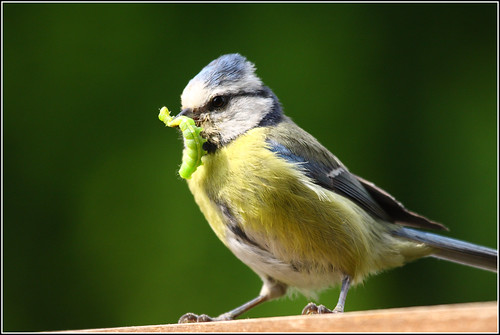
How to...Attract birds to your gardenby Steve Harris describes how to source your seeds, make birds feel at home and monitor the changes you’ve instigated in your new bird haven. Birds, besides being beautiful to watch and pleasant to listen to, are also helpful pollinators and pest-deterrents (Image: David F) and you may find that their presence improves your garden flora.
 It is important that your garden meets the needs of the birds throughout the year if you are to encourage them to be regular visitors, but this can be compensated for by putting fat blocks out during the winter, buying substandard cast-off apples for when your trees are out of fruit and planting a range of seasonal shrubs and trees.
And it’s not just food that birds require. We all know the excitement of seeing birds collect for their young in spring, so put out a nestbox now while the birds are seeking shelter and you may find yourself witnessing the young’s first flight in the summer.
 Some birds prefer to forage on the ground and some at the birdfeeder but all are vulnerable to predators. Almost all animals must find a balance between feeding and being vigilant against attack whilst foraging: By keeping your feeders in a position where birds can see predators such as cats or sparrowhawks (Image: Duncan Carrier) coming, you will be ensuring that your garden provides a place where birds feel safe and are sure of a good meal.
They’ve thought of everything from deterring squirrels to avoiding the spread of disease by sterilising feeders regularly. This is a comprehensive and thorough guide to attracting birds to your garden and if you turn to page 82 you’ll discover more about the birds that may soon be reaching the British shores from across the world.
 In next month’s issue the BBC Wildlife team review whether Grow-Your-Own Butterfly kits actually work, and teach us skills to help us sneak up on Wildlife for a better look!
If you want a copy of BBC Wildlife magazine it will cost you £3.45 per issue. Alternatively a year’s subscription is £31.20 saving you over a pound per issue and delivery is free to the UK.
If you want to learn more about how to create a place for wildlife in your garden or near you take a look at the Breathing Places website.


 Posts


 Top of Page